

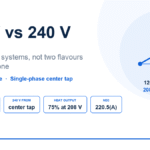
208 V vs 240 V: What’s the Difference and Why It Matters
208 V comes from a three-phase wye, 240 V from a center-tapped transformer. The real difference, the 75% heat rule, and running 240 V gear on 208 V.
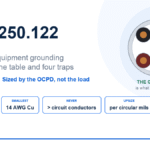
NEC 250.122 Explained: Sizing the Equipment Grounding Conductor
NEC 250.122 sizes the equipment grounding conductor from the breaker, not the load. Table 250.122 sizes, the 250.122(B) upsize rule, and the parallel trap.
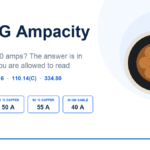
8 AWG Wire Ampacity: 40 A or 50 A? NEC 310.16 Explained
8 AWG ampacity is 40 A, 50 A or 55 A depending on which column of NEC Table 310.16 you are allowed to read. Here is how to pick the right one, with the 8 THHN and NM cable rules.
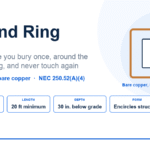
Ground Ring Electrode Explained: NEC 250.52(A)(4)
A ground ring is 20 ft of 2 AWG bare copper encircling the building, buried 30 in. deep. NEC 250.52(A)(4) and 250.53(F) requirements, GEC sizing and field traps.
What Size Wire for a 100-Amp Service? NEC Sizing Guide
What size wire for a 100 amp service: 4 AWG copper or 2 AWG aluminum per NEC Table 310.12(A). Why #4 copper works, the 83% rule, and where it does not apply.
Kirk Key Interlock Explained: How It Works & When It’s Required
What a Kirk key interlock is, how trapped-key interlocking works, the common schemes it protects, and why it is never a substitute for lockout/tagout under NFPA 70E.
Can a 200 A Breaker Be Your Service Disconnect? NEC Rules
Can a 200A breaker be a service disconnect? What NEC 230.70, 230.71, 230.79 and 230.85 require of a 200 amp disconnect, plus conductor sizing from Table 310.12(A).
NEMA L5-30R Explained: Twist-Lock Receptacle Ratings & Wiring
NEMA L5-30R explained: 125V 30A twist-lock ratings, how to wire it, 10 AWG branch circuit sizing, GFCI rules, and how L5-30 differs from TT-30 and L14-30.
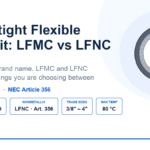
Liquid Tight vs Sealtite: LFMC vs LFNC Conduit Explained
Liquid tight vs sealtite explained: Sealtite is a brand, LFMC and LFNC are the two NEC wiring methods. Article 350 vs 356, fill, length limits and grounding.
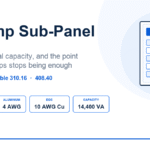
60-Amp Sub-Panel: Wire Size, Loads & When It’s Enough (NEC)
60 amp sub panel wire size, EGC sizing, and whether a sub panel size of 60 amp is enough for your load. NEC Table 310.16, 215.3, 250.122 and 408.40 explained.
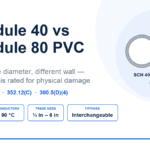
Schedule 40 vs Schedule 80 PVC Conduit: Differences & NEC Uses
Schedule 40 vs Schedule 80 PVC conduit: same outside diameter, different wall. Fill loss, physical damage rules under NEC 352.12(C) and 300.5(D)(4), and where each is allowed.
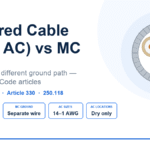
Armored Cable (Type AC) vs MC Cable: Differences Explained
Armored cable (Type AC) vs MC cable: the bonding strip, the ground path, wet location limits, ampacity from NEC Table 310.16, and how to tell them apart in the field.